RideSafer Travel Vest review
The car-seat alternative for the situations car seats fail: taxis, rideshares, travel, third-row shuffles. Legally certified, genuinely portable — best understood as the second 'seat' you carry, not the first one you own.
What we like
- Packs into a bag — solves taxis, travel and carpools
- Certified to federal motor vehicle safety standards
- Positions the seat belt correctly on small bodies
- Kids past boosters accept it without complaint
Flaws but not dealbreakers
- Not a replacement for a proper seat in your own car
- Sizing must be right — measure before ordering
- Requires reading the manual properly for correct fit
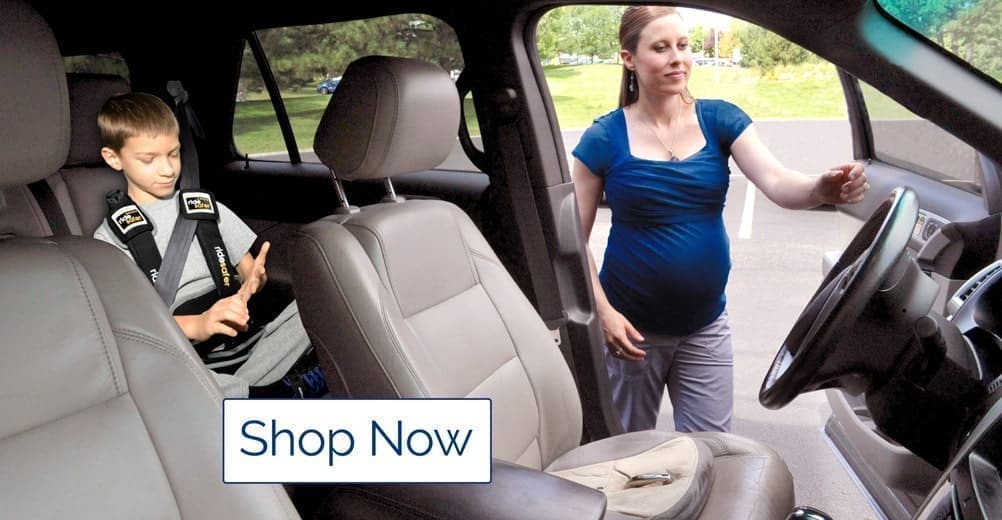
Sooner or later every family meets the scenario the car-seat industry pretends doesn't exist: the airport taxi line, the grandparent pickup, the friend's car with three kids already across the back seat. Hauling a full car seat through those situations is the reason RideSafer exists — a wearable vest, certified to the federal child-restraint standard, that routes the vehicle's own seat belt correctly across a small body.
Used as designed, it's quietly brilliant. The vest folds into a backpack, weighs a fraction of any seat, and turns 'we can't take that ride' into a two-minute buckle-up. School-age testers who fought booster seats treated the vest like gear rather than baby equipment, which matters more than it should for daily compliance.
We ran the same rubric across the category in Tactical Baby Gear Deuce 2.0 Diaper Bag if you want the comparison.
The design demands two things from you. First, correct sizing — the vest positions the belt with its fit, so ordering the wrong size undermines the entire mechanism; measure your child against the chart before buying. Second, a real read of the manual: the setup isn't hard, but it's specific, and 'roughly right' is not the standard for crash restraints.
It helps to be precise about who this is for, because the category invites misunderstanding in both directions. The natural fit is the family whose life includes vehicles that aren't theirs — regular flights, rideshares, grandparents on pickup duty, a carpool rotation, or a back seat that needs three restraints across. For them, the realistic alternative to a portable restraint is often a skipped trip or an improvised one, and that's the comparison that matters. The wrong reading is treating portability as an upgrade over a conventional seat for everyday driving — that isn't the claim the product makes, and it isn't one we'd make for it. For questions about your specific child and car, a certified child passenger safety technician can check fit in person, and that expertise beats any review, ours included.
There's also a quality-of-travel argument that never shows up on spec sheets. Anyone who has gate-checked a car seat, watched it come back scuffed, and then wrestled it into a rental at midnight understands what 'fits in a backpack' is actually worth. The vest turns the worst logistics of traveling with kids into a non-event, and for children in the awkward stage — past the infant seat, not yet belt-ready — it removes the temptation to improvise on exactly the trips where improvisation usually happens. Frequent-flyer families should think of it the way they think of packing cubes: not glamorous, transformative. Between trips it earns its keep as the carpool contingency living in the trunk — the restraint that's actually present is the one that gets used, and a vest in a bag is far more likely to be present when needed than a spare seat nobody hauled along.
Our recommendation frame: in your own daily car, a properly installed conventional seat remains the default. The RideSafer is the second restraint — the one that lives in the travel bag and makes every other vehicle in your life a safe option. For families who travel or rideshare at all, that's not a luxury purchase.
Key specs
- Type
- Wearable child restraint vest
- Certification
- Meets FMVSS 213
- Use case
- Travel, rideshares, secondary vehicles